For many women, healthy aging means staying active, independent, energetic, and able to fully participate in the things they love. Whether it’s keeping up with family, pursuing hobbies, traveling, exercising, or managing the demands of work and caregiving, strength and mobility are essential to maintaining quality of life.
In fact, a recent survey commissioned by Viactiv, a women’s supplement brand, found that maintaining strength and mobility was a top issue for perimenopausal women. Yet despite this being so important, 71% of women within the age range of perimenopause (ages 35-54) were unfamiliar with the gradual loss of muscle that occurs with age.
While many women may associate aging with changes in skin, hair, bone health, or metabolism, muscle health often receives far less attention despite the fact that muscle loss can begin earlier than most people realize. But muscle loss does not need to be inevitable. It can be slowed, stopped, or even reversed. Although hormonal changes that begin in perimenopause can make maintaining strength more challenging, women can take meaningful steps to preserve muscle mass, support mobility, and maintain independence throughout midlife and beyond.
Survey Methodology
Viactiv commissioned Atomik Research to conduct an online survey of 2,000 women aged 18 and over throughout the United States. The margin of error is +/- 2 percentage points with a confidence level of 95 percent. Fieldwork took place between April 21 and April 23, 2026. Atomik Research, part of 4media group, is a creative market research agency.
The Estrogen-Muscle Connection
Estrogen plays a larger role in muscle health than many women realize. In addition to supporting reproductive health, estrogen helps regulate muscle repair, recovery, and protein metabolism. It also influences how efficiently the body builds and maintains lean muscle tissue.
As estrogen levels fluctuate and gradually decline during perimenopause, women may begin to notice subtle changes in their physical performance. Workouts may feel more difficult, recovery may take longer, and activities that once felt easy may require more effort. Some women report feeling weaker despite maintaining the same weight and activity level.
These changes are not simply a normal part of aging. Rather, they reflect shifts in the body’s ability to maintain muscle tissue efficiently. Combined with age-related muscle loss, declining estrogen can contribute to reduced strength, lower energy levels, and increased fatigue if proactive steps are not taken.
Early Muscle Loss Signs Can Go Unnoticed
Early signs of muscle loss may be attributed to other factors such as general aging, stress, lack of sleep, or simply being out of shape. Women may notice they tire more easily during everyday activities, feel weaker when carrying heavy items, take longer to recover after workouts, find it harder to climb stairs, or are slower to get up from low chairs. Because these changes tend to occur gradually, many women don't recognize them as signs of declining muscle health until strength, balance, or mobility becomes noticeably affected.
The Hidden Impact of Muscle Loss on Metabolism, Weight Gain, and Mobility
One reason muscle loss often goes unnoticed is that it doesn’t always show up on the scale. A woman can maintain the same body weight while simultaneously losing muscle and gaining body fat.
This shift in body composition can affect metabolism because muscle tissue is metabolically active, meaning it burns calories even at rest. As muscle mass declines, daily calorie expenditure decreases, making it easier to gain weight and harder to lose it.
Many women also notice increased fat accumulation around the abdomen during perimenopause (some refer to this as “menopause belly”). While hormonal changes certainly play a role, declining muscle mass can further contribute to these changes in body composition.
Beyond metabolism, muscle health directly influences balance, mobility, posture, and physical independence. Maintaining muscle strength can help support healthy movement patterns, reduce the risk of falls, and allow women to remain active and engaged throughout later decades of life.
Why Protein Matters More During Midlife
Nutrition becomes increasingly important during perimenopause, particularly when it comes to protein intake. As women age, muscles become less responsive to protein, a phenomenon known as anabolic resistance. This means the body often requires more protein than it did in earlier decades to achieve the same muscle-supporting benefits.
Many women unintentionally consume the majority of their protein at dinner while falling short at breakfast and lunch. Spreading protein intake throughout the day may help support muscle protein synthesis more effectively.
Research suggests that 0.8 g/kg of protein per day (multiply body weight in pounds by 0.36 to get this number) is the general protein recommendation for healthy adults. However, 1.0–1.2 g/kg per day is recommended for women who exercise regularly or are trying to preserve lean mass during menopause/perimenopause. 6
High-quality protein sources include eggs, Greek yogurt, fish, poultry, lean meats, soy foods, beans, lentils, nuts, and seeds. Protein powders can also offer a convenient way to help meet daily needs, particularly for women with busy schedules or increased fitness goals.
Both whey protein and plant protein can support muscle health when consumed in adequate amounts. Whey protein is naturally rich in essential amino acids, while high-quality plant proteins can also be effective, particularly when they contain a complete amino acid profile.
Building and Preserving Strength Through Resistance Training
If there is one strategy that consistently stands out in muscle-health research, it is resistance training. While walking and other cardiovascular activities provide important heart-health benefits – and just over half of the women surveyed are doing these activities- only one-third (34%) of women 35-54 report doing any strength training, which is one of the most effective ways to preserve and build lean muscle mass.
Barriers such as lack of time, feeling overwhelmed, or uncertainty about where to begin often prevent women from getting started. The good news is that effective strength training does not require spending hours in the gym or even a gym membership. Resistance bands, bodyweight exercises, free weights, and weight-bearing forms of yoga – all of which can be done right at home – can all help stimulate muscle growth and maintenance.
Experts generally recommend incorporating strength-focused exercise two to four times per week, targeting all major muscle groups. Consistency matters far more than perfection, and even small improvements can have meaningful long-term benefits. Start slow and speak to your healthcare provider before starting a new exercise routine.
Nutrients That Support Healthy Muscle
Exercise and protein provide the foundation for muscle health, but several other nutrients can also help support energy, recovery, and healthy aging.
Creatine
Creatine is one of the most researched nutrients for muscle health and has been shown to support strength, exercise performance, and healthy muscle aging. Emerging research suggests women may experience unique benefits from creatine during periods of hormonal transition.
CoQ10
Coenzyme Q10 (CoQ10) is another nutrient gaining attention for its role in cellular energy production. Because muscle cells require substantial amounts of energy to function efficiently, maintaining healthy CoQ10 levels may help support muscle function, energy production, and overall vitality. Natural CoQ10 levels tend to decline with age, and getting it through food sources (which are primarily organ meats) can be difficult, making supplementation a great option.
Calcium + Vitamin D
Calcium and vitamin D remain essential for bone health, which works hand in hand with muscle health to support strength, mobility, and healthy aging.
Recovery Matters: Sleep, Stress, and Muscle Health
Muscles do not grow stronger during workouts; they grow stronger during recovery. Unfortunately, sleep disturbances and increased stress become increasingly common during perimenopause, making recovery more challenging.
Poor sleep can impair muscle repair, increase fatigue, elevate cortisol levels, and reduce motivation for physical activity. Chronic stress may contribute to muscle breakdown while making it more difficult to maintain healthy lifestyle habits.
Magnesium Glycinate plays a critical role in muscle relaxation and recovery while also supporting sleep quality and stress management.
Supporting recovery through consistent sleep schedules, stress-management practices, regular physical activity, and adequate nutrition can play an important role in preserving muscle health throughout the menopause transition.
Small Steps That Can Make a Big Difference
Protecting muscle health does not require dramatic lifestyle changes, and it’s never too late to start. One of the remarkable things about muscle tissue is that it remains responsive to exercise and nutrition throughout life.
Small, consistent habits can have a significant impact over time. Prioritize protein at every meal, incorporate resistance training several times per week (start with some beginner body-weight exercises like push-ups, squats, and lunges), prioritize quality sleep, and ensure adequate nutrient intake to help support healthy muscle aging for the decades ahead.
FAQs
Can you rebuild muscle during perimenopause?
Yes. While hormonal changes can make it more challenging, women can build and maintain muscle during perimenopause through regular strength training, adequate protein intake, and healthy recovery habits.
Should women take creatine during perimenopause?
Creatine is one of the most researched supplements for supporting muscle strength, exercise performance, and healthy aging. Many experts consider it a valuable option for women during perimenopause, though it's always best to discuss supplementation with a healthcare provider.
Why is it harder to build muscle after 40?
Declining estrogen levels, age-related changes in muscle protein synthesis, and slower recovery can make building muscle more difficult. However, strength training and proper nutrition can still produce significant results.
Does walking count as strength training to prevent muscle loss?
Walking offers excellent cardiovascular and overall health benefits, but it does not provide the resistance needed to effectively build or maintain muscle mass. Resistance training is still important for preserving strength and muscle.
Does muscle loss cause the "menopause belly"?
Muscle loss doesn't directly cause abdominal weight gain, but it can contribute to a slower metabolism and changes in body composition that make fat accumulation around the midsection more likely.
Is whey protein or plant protein better for menopause support?
Both can support muscle health when consumed in adequate amounts. Whey protein is naturally rich in essential amino acids, while high-quality plant proteins can also be effective, particularly when they contain a complete amino acid profile.
How many days a week should I lift weights in perimenopause?
Most experts recommend strength training two to four times per week, focusing on all major muscle groups. Consistency is more important than intensity when it comes to long-term muscle health.
Is collagen beneficial for building muscles?
Collagen may support skin, joints, bones, and connective tissues, but it is not considered a complete protein for muscle building. It can be a useful addition to a healthy diet, but should not replace high-quality protein sources.
Can perimenopause cause muscle weakness and fatigue?
Yes. Hormonal fluctuations, disrupted sleep, stress, and age-related muscle loss can all contribute to feelings of weakness, reduced endurance, and fatigue during perimenopause.
How quickly can muscle loss happen during the menopause transition?
Muscle loss typically occurs gradually over time, but the rate can accelerate during perimenopause due to hormonal changes. Research suggests women may lose 3% to 8% of muscle mass per decade beginning in midlife, with losses increasing if strength training and nutrition are not prioritized.
References:
- Muscle loss rate: Volpi E, Nazemi R, Fujita S. Muscle tissue changes with aging.
Current Opinion in Clinical Nutrition and Metabolic Care. 2004. https://pmc.ncbi.nlm.nih.gov/articles/PMC2804956/ - Sarcopenia consequences: Cruz-Jentoft AJ, Bahat G, Bauer J, et al.
Sarcopenia: Revised European consensus on definition and diagnosis (EWGSOP2).
Age and Ageing. 2019. https://academic.oup.com/ageing/article/48/1/16/5126243 - Estrogen and muscle health: Aging of the musculoskeletal system: How the loss of estrogen impacts muscle strength - ScienceDirect
- Strength training guidelines: The Journal of Strength & Conditioning Research
- Sleep and muscle health: Sleep and muscle recovery: endocrinological and molecular basis for a new and promising hypothesis - PubMed
- Erdélyi A, et al. The Importance of Nutrition in Menopause and Perimenopause. Nutrients. 2023;15(24):5091.
DISCLAIMER:
These statements have not been approved by the Food and Drug Administration. These products are not intended to diagnose, treat, cure, or prevent disease.

























































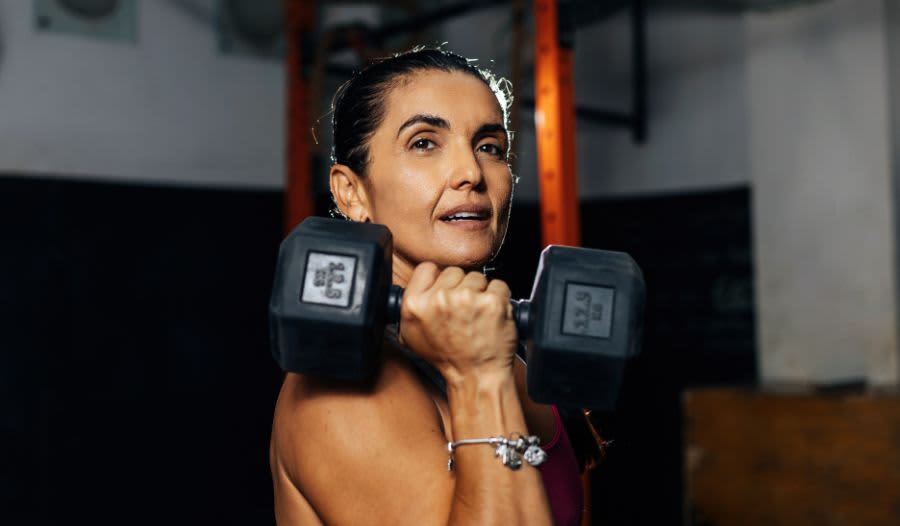
 Table of Contents


